Patwon Ki Haveli, Jaisalmer: A Comprehensive Guide to the History, Timings, and Architecture

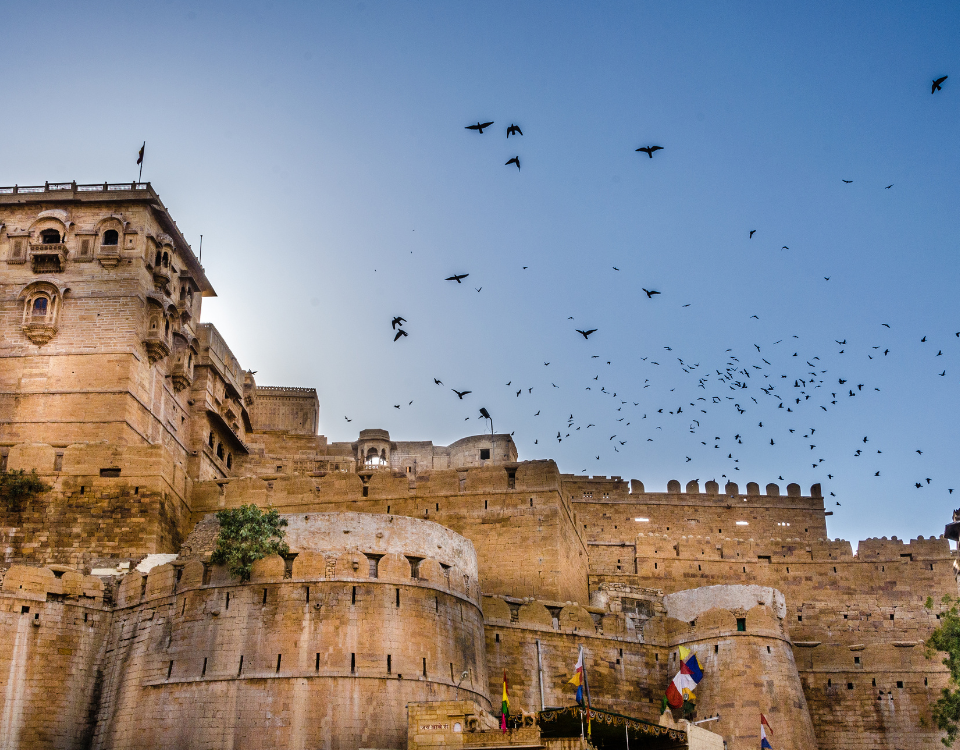
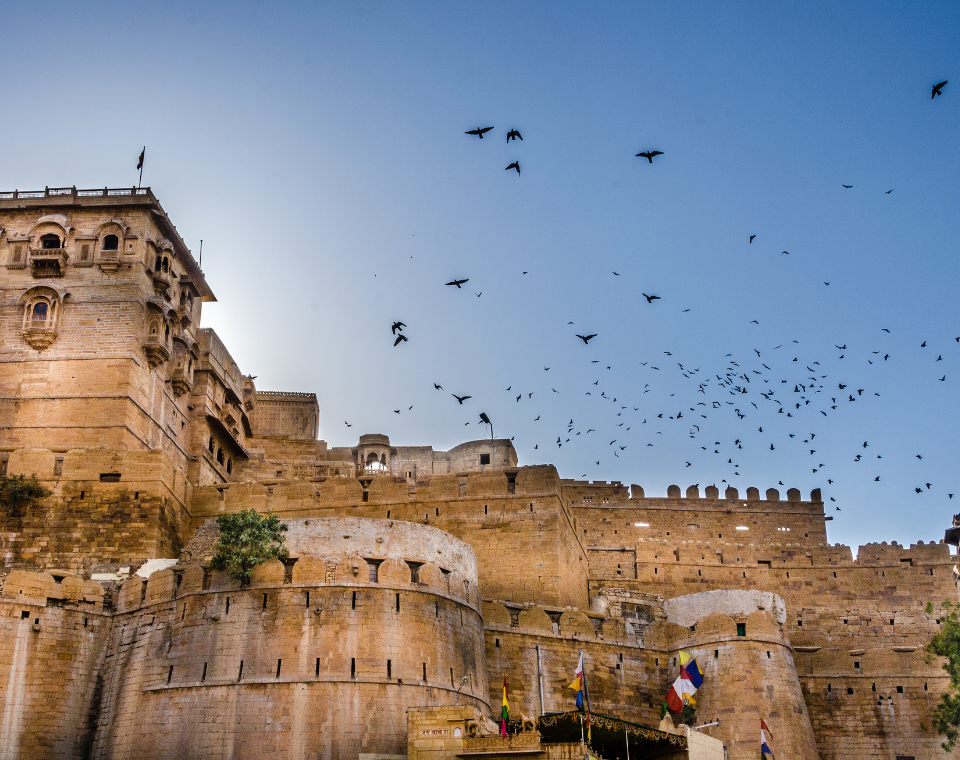
Inside the Golden Fort: Everything You Need to Know About Jaisalmer Fort
January 7, 2026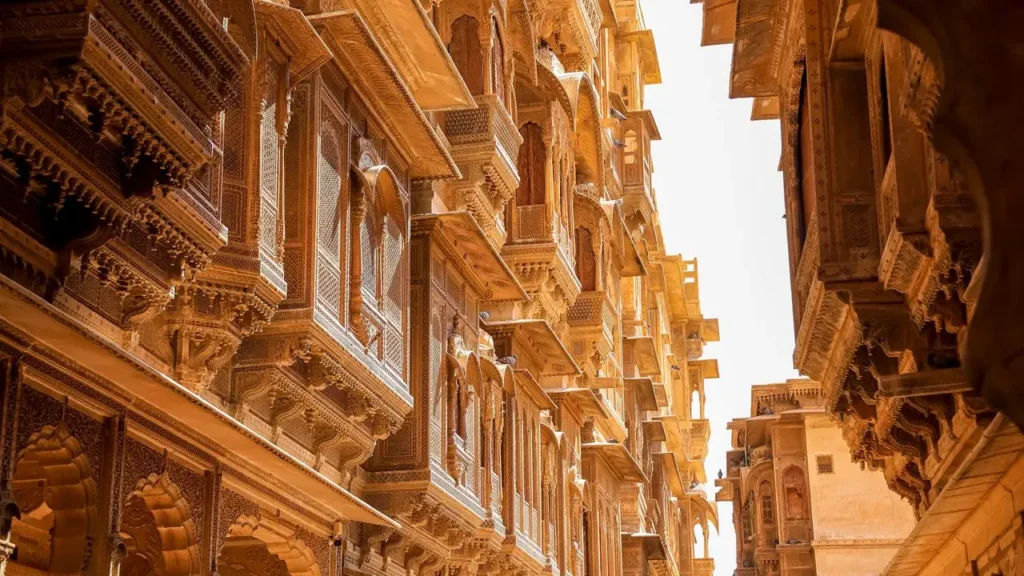
Jaisalmer, often dubbed the “Golden City,” is famous for its living fort and golden sandstone architecture that seems to rise organically from the Thar Desert. However, hidden within its narrow, winding lanes lies an architectural marvel that rivals even the fort in intricacy: Patwon Ki Haveli.
Among all the historic mansions in the city, Patwon Ki Haveli Jaisalmer stands out not just as the largest, but as the very first haveli ever erected in Jaisalmer. It is actually a cluster of five different havelis, making it a unique complex of grandeur and history. If you are planning a trip to Rajasthan, understanding the Patwon Ki Haveli history and architecture is essential to appreciating this masterpiece.
This guide covers everything you need to know, from the fascinating backstory to the practical Patwon Ki Haveli timings for your visit.
The Legacy of Gold and Brocade: History of Patwon Ki Haveli
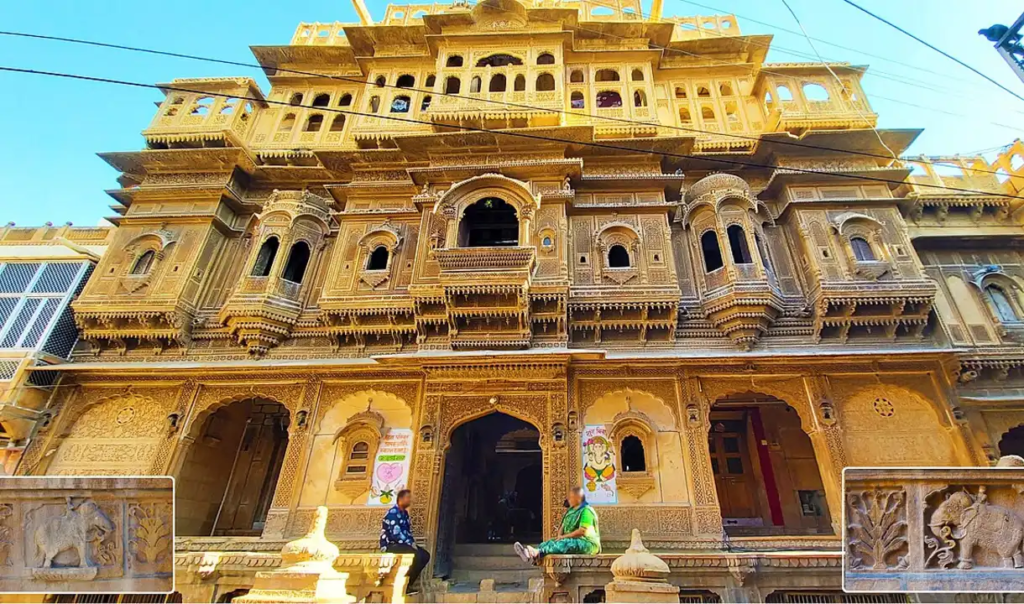
The Patwon Ki Haveli history is a tale of immense wealth and artistic ambition. The foundation was laid in 1805 by Guman Chand Patwa, a rich merchant and banker who made his fortune trading in gold and silver brocade (threads) and opium.
Guman Chand wanted to build a separate mansion for each of his five sons. Consequently, the construction of this massive complex took over 50 years to complete. The family was so wealthy that local legends say they even lent money to kings and rulers.
However, the Patwa Haveli Jaisalmer history also has a melancholy turn. Over time, the fortunes of the Patwa family declined, and they eventually abandoned the city, leaving the havelis to the caretakers. Today, parts of the complex are maintained by the Archaeological Survey of India (ASI) and the State Government, while one section serves as a private museum (Kothari’s Patwa Haveli), allowing visitors to step back in time.
Architectural Grandeur: Inside the Patwa Haveli
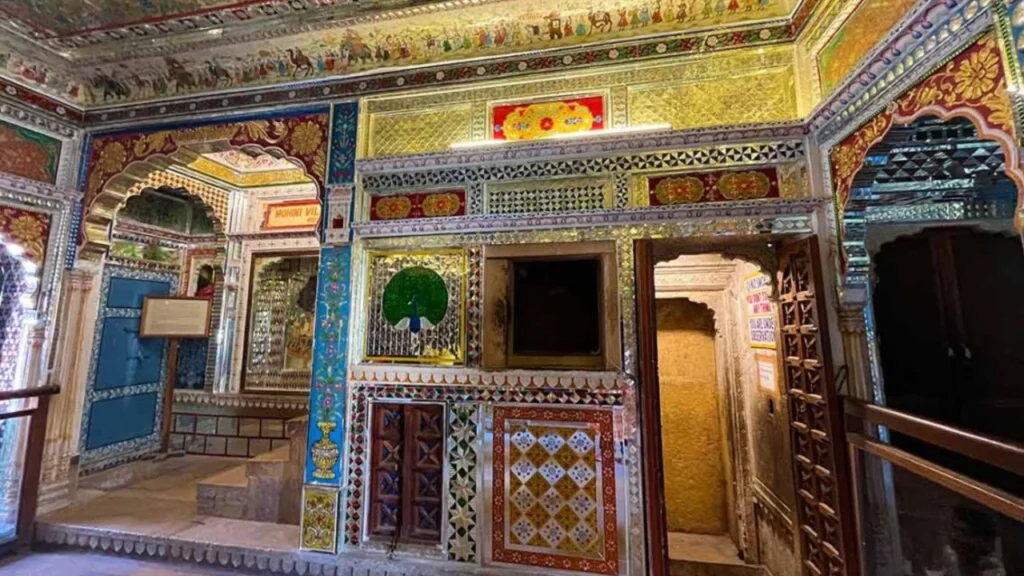
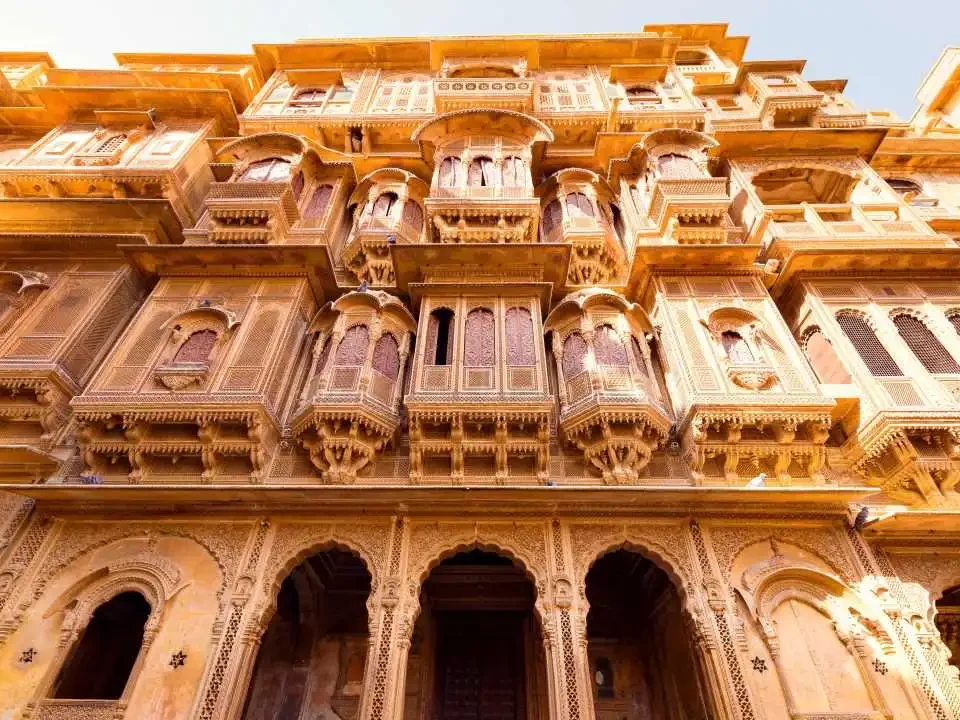
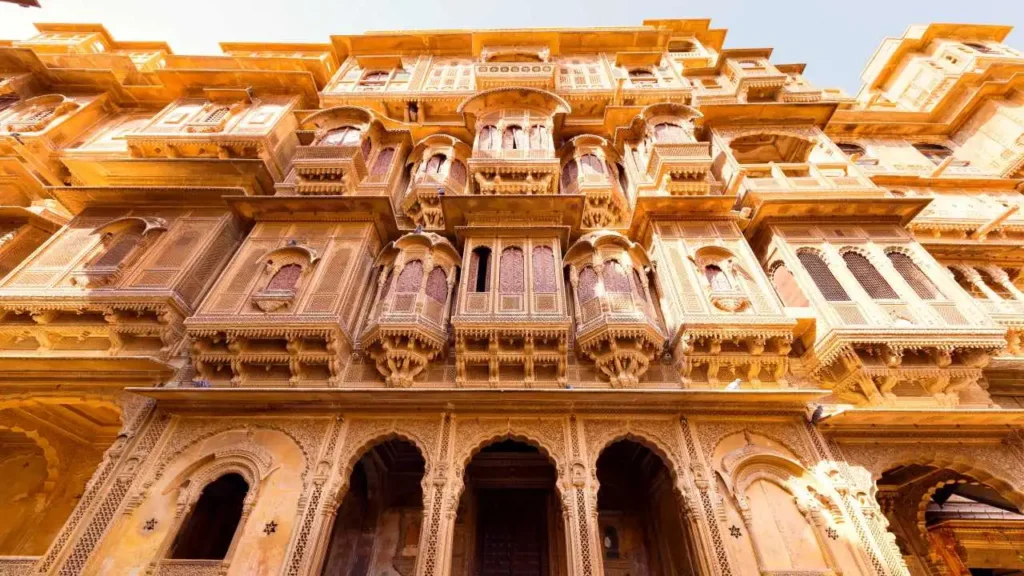
When you stand in front of Patwa Ki Haveli Jaisalmer, the sheer detail is overwhelming. Built entirely of yellow sandstone, the exterior glows like gold when the sun hits it. The architecture is renowned for its intricate mirror work, beautiful wall paintings, and over 60 delicate balconies (Jharokhas) that open onto the street.
The structure was designed with the desert climate in mind. The lattice work (jalis) allows for air circulation, keeping the interiors cool even during the harsh Jaisalmer summers. Each of the five havelis within the complex has a distinct style, though they look symmetrical from the outside.
Inside Patwa Haveli Jaisalmer, you can wander through rooms that have been preserved to showcase the lifestyle of 19th-century merchants. From the ornate pillars to the wooden ceilings, every corner speaks of the opulent lifestyle of the Patwas.
Essential Visitor Information: Timings and Entry Fee
To make the most of your visit, it is important to know the schedule.
- Patwon Ki Haveli Timings: The haveli is generally open to tourists from 9:00 AM to 5:00 PM every day.
- Best Time to Visit: The narrow lanes can get crowded. It is best to visit right at 9:00 AM to explore in peace, or in the late afternoon to catch the golden sunset light hitting the façade.
- Entry Fee: There is a nominal entry fee for Indian tourists and a higher rate for foreign nationals. Camera and video charges are usually separate.
How to Reach and Travel Tips
The Haveli is located in a narrow lane where cars cannot enter. You will likely have to walk the last few hundred meters or take an auto-rickshaw.
If you are arriving in the city and need a transfer to your hotel or a drop-off point near the heritage zone, booking a reliable Taxi Service in Jaisalmer is highly recommended. Having a dedicated cab ensures you don’t get overcharged by local touts upon arrival.
For those who want a hassle-free experience covering the Fort, Gadisar Lake, and the Havelis in one go, opting for a Jaisalmer Sightseeing Taxi is the best choice. This allows you to explore the city at your own pace without worrying about navigation or parking issues near the crowded old city areas.
Conclusion
A trip to Jaisalmer is incomplete without witnessing the artistic brilliance of the Patwas. Whether you are an architecture student or a casual traveler, the Patwon Ki Haveli offers a glimpse into a bygone era of unparalleled luxury.
Plan your trip according to the Patwon Ki Haveli timings, hire a local guide to explain the intricate stories hidden in the carvings, and get ready to be mesmerized by the jewel of Jaisalmer.