Nathmal Ki Haveli Jaisalmer: History, Architecture, and the Story of Nathmal Ji and Nataniyon Ki Haveli

Maru Mahotsav Jaisalmer 2026: Complete Guide to Rajasthan’s Desert Festival of Culture and Colors
November 8, 2025
Inside the Golden Fort: Everything You Need to Know About Jaisalmer Fort
January 7, 2026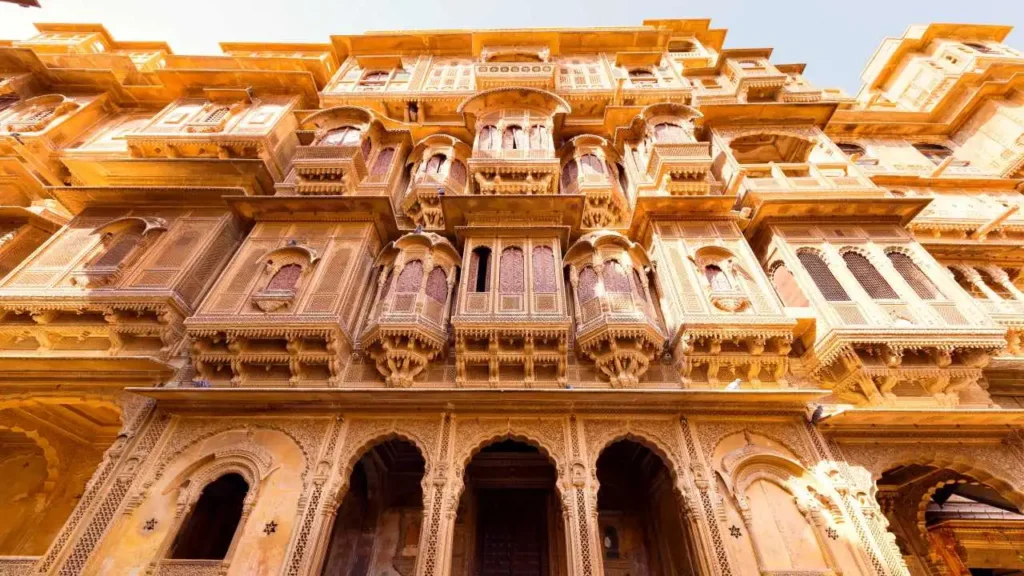
Jaisalmer has always been known for its golden sandstone architecture, narrow lanes, and grand havelis that tell stories of wealth and craftsmanship. Among these heritage structures, Nathmal Ki Haveli Jaisalmer holds a special place because it isn’t just beautiful, it’s different. While many havelis in the city follow traditional patterns, Nathmal Ki Haveli stands out for its unusual symmetry, unique carvings, and the story behind how it was built.
Often referred to locally as Nataniyon Ki Haveli, this landmark captures the imagination of visitors because of its incomplete symmetry and the artistic personality etched into every detail. Some travelers also know it as Nathmal Ji Ki Haveli, linking it back to the influential figure it was constructed for—not just as a residence, but as a statement of power and artistic pride.
If you’re exploring the historic core of Jaisalmer, this haveli deserves attention. It represents a blend of culture, history, and architectural genius that continues to fascinate everyone who walks past its carved façade.
Where Is Nathmal Ki Haveli in Jaisalmer?
Nathmal Ki Haveli Jaisalmer is located in the heart of the old city, close to the buzzing market lanes and traditional sandstone buildings that define the area. The haveli sits within walking distance of some of the most popular attractions in the city, which makes it easy to include in a sightseeing route.
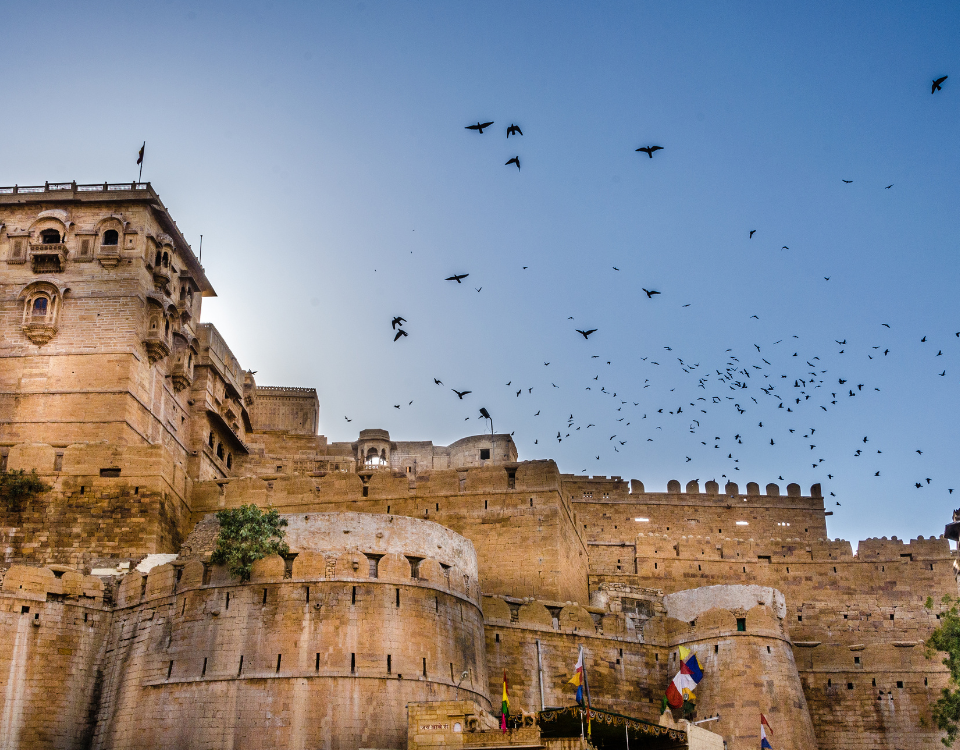
From Jaisalmer Fort, the walk takes only a few minutes, and the route itself feels like stepping back in time with carved balconies, local shops, and narrow medieval streets. You’ll also find Patwon Ki Haveli nearby, which makes both sites convenient to visit on the same trip.
Since the area is pedestrian-friendly and compact, most tourists explore Nathmal Ki Haveli on foot. Whether you call it Nataniyon Ki Haveli or Nathmal Ji Ki Haveli, the destination is easy to reach, well-marked, and part of the core cultural circuit in old Jaisalmer.
The Origin & History of Nathmal Ji Ki Haveli
The history of Nathmal Ki Haveli Jaisalmer makes it more than just a tourist stop; it’s a story worth knowing. The haveli was built in the late 19th century and was commissioned for the then Prime Minister Nathmal Ji, which is why many people still refer to it as Nathmal Ji Ki Haveli.
What makes the construction story so interesting is the involvement of two architect brothers who worked on the haveli at the same time. They designed and carved different sides independently, which led to subtle differences in patterns, motifs, and layout. This unexpected asymmetry is one of the main reasons Nathmal Ki Haveli stands out among other heritage buildings.
Locals also call it Nataniyon Ki Haveli, a name rooted in the family and community history tied to the structure. Whether someone knows it by this name or simply calls it Nathmal Ki Haveli Jaisalmer, the identity of the monument remains tied to its craftsmanship, striking façade, and the unusual yet brilliant approach behind its creation.
Nataniyon Ki Haveli: The Tale Behind the Name
Locals often refer to Nathmal Ki Haveli Jaisalmer as Nataniyon Ki Haveli, and the name isn’t random. It reflects the story of the two architect brothers who worked on the building. Each brother carved one side of the structure without following a shared blueprint. Instead of cooperating, they competed—driven by pride, skill, and a desire to outdo one another.
This creative rivalry resulted in a façade where both sides look similar at first glance, but a closer look shows noticeable differences in patterns, figures, and architectural flow. That imperfect symmetry is what gives Nathmal Ki Haveli its distinct identity and charm.
So while tourists may know it as Nathmal Ji Ki Haveli, locals use the name Nataniyon Ki Haveli to keep the story alive—reminding visitors that this is not just another haveli, but a structure shaped by competition, talent, and artistic individuality.
Unique Architecture: What Makes This Haveli Special
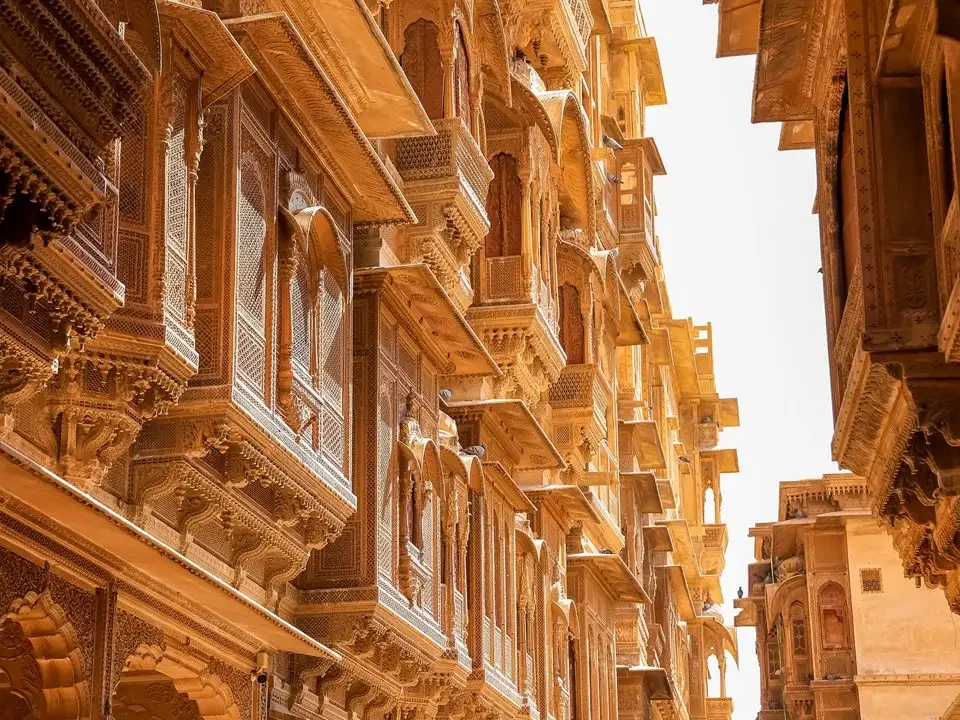
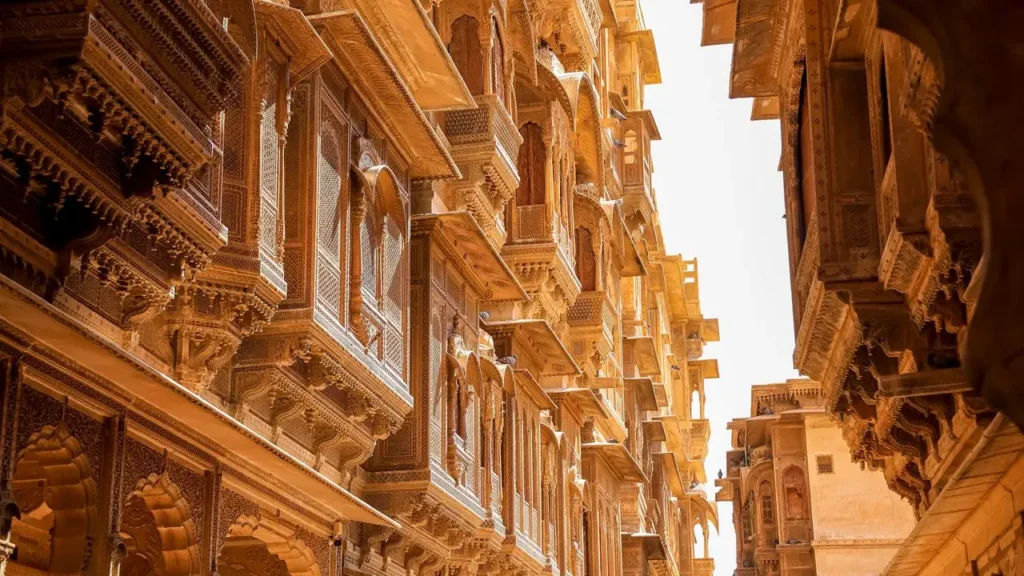
The architecture of Nathmal Ki Haveli Jaisalmer is what instantly grabs attention. Unlike many traditional structures in the region, this haveli blends Indo-Islamic and Rajputana elements, creating a style that feels both local and unexpectedly global. The exterior is carved from golden sandstone, and every inch is detailed with remarkable craftsmanship.
At the entrance of Nathmal Ji Ki Haveli, two beautifully sculpted sandstone elephants welcome visitors. From there, the façade becomes a showcase of artistic skill, featuring floral motifs, mythological figures, intricate jharokhas, peacocks, and patterns inspired by daily life. Interestingly, the carvings also include objects that were never part of Rajasthan’s history, such as European-style chandeliers, bicycles, and even hints of Victorian influence.
These surprising details are part of what makes Nathmal Ki Haveli so memorable. The more you look, the more you discover. Whether you call it Nataniyon Ki Haveli or simply Nathmal Ki Haveli, its architecture remains a standout example of creativity, detail, and cultural fusion in Jaisalmer’s heritage landscape.
Inside Nathmal Ki Haveli: What Visitors Can Expect
Stepping inside Nathmal Ki Haveli Jaisalmer gives a closer look at the craftsmanship that isn’t fully visible from the outside. The rooms feature fine wall paintings, mirror work, and detailed carvings that show how much pride and effort went into building this place. Every corner feels intentional, from the ceilings to the doors, and even the smallest decorative elements have been carved with precision.
Unlike many historic monuments, Nathmal Ki Haveli is still partly inhabited by the descendants of the original family. Because of that, only certain sections are open to the public. This gives the visit a more personal feel—almost like stepping into a living museum rather than an abandoned structure.
For travelers curious about culture and design, the interior offers a real connection to the past. Whether someone refers to it as Nataniyon Ki Haveli or Nathmal Ji Ki Haveli, the experience remains the same: elegant, artistic, and surprisingly intimate.
Best Time to Visit Nathmal Ki Haveli Jaisalmer
The experience of visiting Nathmal Ji Ki Haveli can vary depending on the time of day and season. If you’re planning photos, mornings and late afternoons are the best periods. The soft sunlight enhances the details of the carvings and gives the sandstone its signature golden glow, making every shot look sharper and more natural.
In terms of weather, the ideal season to explore Nathmal Ki Haveli is between October and February. The temperatures are comfortable, especially for walking through the old city lanes. Peak winter may bring more tourists, but the atmosphere remains enjoyable.
Travel Tips for Visitors
A smooth visit to Nataniyon Ki Haveli or Nathmal Ki Haveli Jaisalmer comes down to a few simple guidelines.
- Entry and Access:
Only certain sections of the haveli are open to visitors, as families still live inside. Respect restricted areas and follow posted instructions or guidance from caretakers. - Footwear and Conduct:
Shoes are generally allowed, but avoid leaning on walls or touching carvings. The detailing is delicate and centuries old. - Crowd Expectations:
Midday hours, especially during peak season, tend to be busy. If you prefer a calmer experience, visit early in the morning or later in the afternoon. - Photography Rules:
Photography is allowed in some parts but restricted in others. Flash is usually discouraged to protect mirror work and paintings. Always ask when in doubt.
Following these simple points makes the visit more respectful and enjoyable while preserving the heritage of Nathmal Ji Ki Haveli for future travelers.
Nathmal Ki Haveli vs Other Havelis in Jaisalmer
When you compare Nathmal Ki Haveli Jaisalmer with other famous havelis in the city, each one stands out for a different reason. Patwon Ki Haveli is known for its scale and grandeur. It’s larger, more elaborate, and feels more like a cluster of royal mansions rather than a single residence. On the other hand, Salim Singh Ki Haveli attracts attention because of its unusual structure and distinctive peacock-shaped design on the upper floors.
But Nathmal Ji Ki Haveli offers something different. Instead of feeling like a royal showcase, it feels personal and artistic. The carvings are more expressive, the details feel handcrafted rather than uniform, and the imperfect symmetry tells a human story instead of just demonstrating wealth. That’s one of the reasons many locals still call it Nataniyon Ki Haveli—the personality of its creators is part of the architecture.
So while the others impress with power, scale, and engineering, Nathmal Ki Haveli connects through artistry, individuality, and emotion. It’s less about perfection and more about expression, which is why many visitors find it memorable in a way that feels intimate rather than overwhelming.
Conclusion: Why Nathmal Ki Haveli Is a Must-Visit
If you’re planning a trip to Jaisalmer, this haveli is worth your time. Nathmal Ki Haveli offers more than architecture and history; it gives you a glimpse into the minds and hands that created it. The carvings, the unique layout, and the personal story behind the brothers make it feel alive. It’s one of those places where every corner tells a story if you’re willing to slow down and look.
Many travelers pair their visit with a city tour for convenience. If you want a smooth and flexible way to explore, a reliable Taxi Service in Jaisalmer can make the experience easier. And for a longer Rajasthan trip, booking a trusted Taxi Service in Rajasthan helps you explore more destinations at your own pace.
Whether you call it Nathmal Ji Ki Haveli or Nataniyon Ki Haveli, the memory you carry from here won’t be about perfection. It will be about emotion, creativity, and the quiet beauty of craftsmanship that has survived centuries.